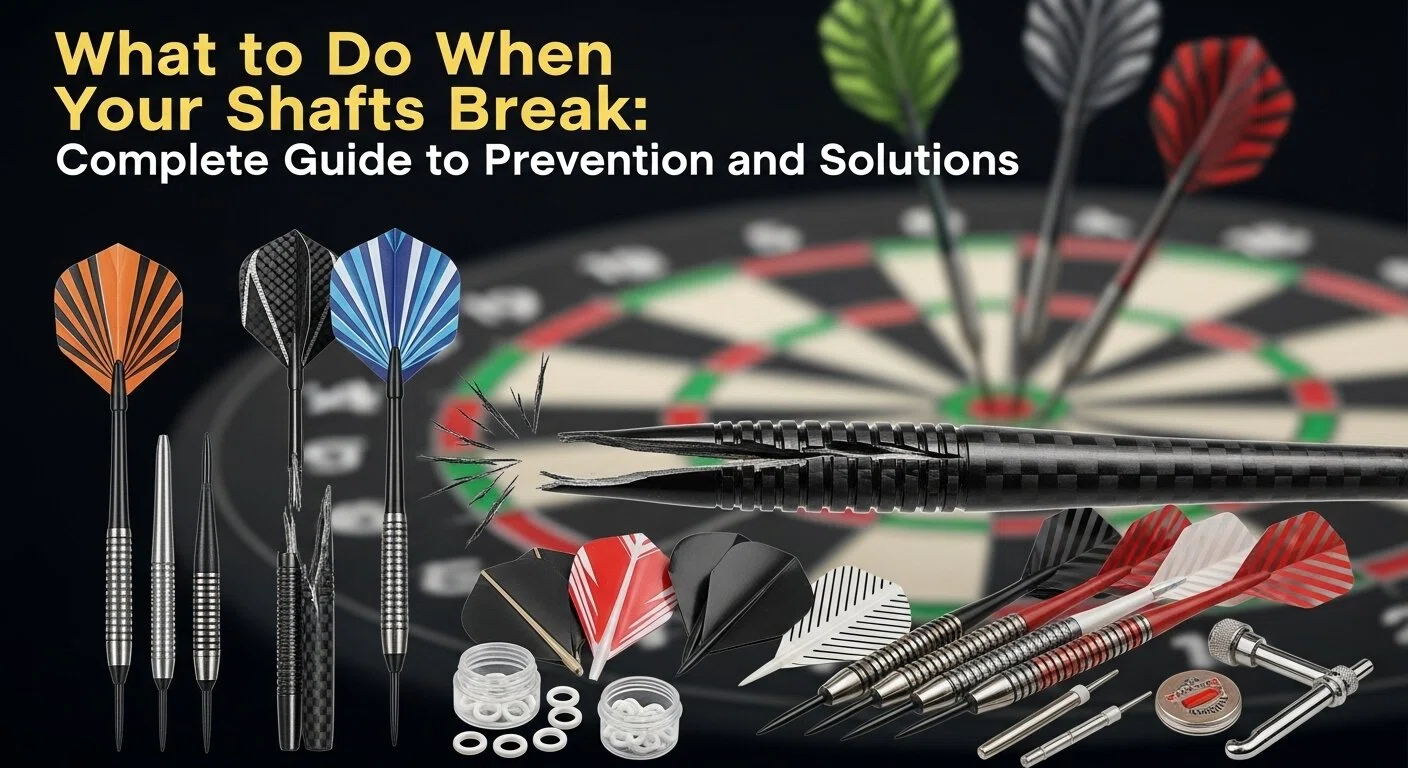
Quick Answer: When your dart shaft breaks, safely remove the remnants using a dart shaft extractor tool, needle-nose pliers, or a removal kit. Then replace it with a new shaft—ideally upgrading to aluminum dart shafts if experiencing recurring breakage. This prevents future damage and improves game consistency.
Understanding Dart Shaft Breakage
Dart shafts are among the most vulnerable components of your darts, experiencing constant stress from impact against the dartboard and pressure from insertion into the barrel. A broken dart shaft isn’t just an inconvenience—it signals that something in your setup or throwing technique may need adjustment.
The frequency of shaft breakage varies significantly based on three primary factors: the material composition of your shafts, your throwing technique, and your dartboard’s condition. Understanding these elements helps you prevent future damage and choose appropriate replacements.
Placeholder: Detailed close-up image showing broken dart shaft with visible fracture points and comparison of intact vs. damaged shafts
Common Causes of Broken Dart Shafts
Impact and Collision Damage
The most common cause occurs when your dart strikes another dart’s barrel at an awkward angle. This sideways impact concentrates force along the shaft, creating a point of failure. Additionally, hitting the dartboard’s metal segments or throwing at an older board with hardened surface material increases stress exponentially.
Material Quality and Brittleness
Nylon shafts, while affordable, are particularly prone to brittleness over time. Exposure to temperature fluctuations, humidity, and UV light degrades nylon’s flexibility. Budget-friendly nylon shafts often contain lower-quality resin blends that fracture more easily than premium alternatives, making material selection crucial.
Improper Insertion and Removal
Forcing shafts into barrels at incorrect angles or using excessive force during installation can create stress fractures that appear later. Similarly, aggressive removal of used shafts wearing down the thread connection compromises structural integrity.
Throwing Technique Issues
A high-velocity, aggressive throwing style transfers more rotational and impact force through the shaft. Players with excessive arm tension or jerky release patterns experience higher breakage rates than those with controlled, smooth throws.
Dartboard Deterioration
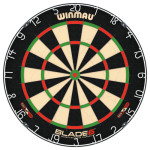
Older or poorly maintained dartboards with compressed, hardened surfaces provide less give when dart points impact. This reduced cushioning transfers more force directly to the shaft, increasing breakage probability significantly.
Placeholder: Infographic showing the 5 main causes of dart shaft breakage with visual representations of each scenario
How to Remove a Broken Dart Shaft from Your Barrel
Method 1: Dart Shaft Extractor Tool (Recommended)
A dart shaft extractor tool for removing broken remnants is specifically designed for this purpose and reduces barrel damage risk significantly. These tools grip the remaining shaft stub securely, allowing controlled extraction without forcing.
Steps for Extractor Tool Use:
- 1Insert the extractor tool’s inner sleeve around the broken shaft stub
- 2Turn the outer collar clockwise to tighten the grip progressively
- 3Gently pull upward while maintaining steady, consistent pressure
- 4Rotate slowly if resistance occurs—never jerk forcefully or apply sudden pressure
Method 2: Needle-Nose Pliers
For a quick solution without specialized tools, needle-nose pliers can effectively remove broken shafts if used carefully:
Steps for Pliers Removal:
- 1Grasp the shaft remnant as close to the barrel as possible for better control
- 2Use a slight twisting motion while pulling upward gradually
- 3Maintain steady, consistent pressure rather than jerking suddenly
- 4If the shaft won’t budge, soak the barrel in warm water for 10-15 minutes to soften any thread adhesive before retrying
Method 3: Replacement Kit Approach
Many cheap replacement kits for broken dart shafts come with extraction tools specifically matched to their shaft sizes. These kits offer the advantage of having a new shaft ready immediately after extraction, minimizing downtime.
⚠️ What NOT to Do:
- Never use excessive force—you’ll damage the barrel’s internal threads permanently
- Avoid heating the barrel with direct flame or boiling water as it can warp the structure
- Don’t apply lubricating oils that can soften plastic threads permanently
- Resist using metal tools that can scratch premium barrel finishes
Extractor
Placeholder: Three-panel comparison showing different removal methods with proper technique demonstrations
Best Material Dart Shaft to Avoid Breakage
Comprehensive Material Comparison
| Material Type |
Advantages |
Disadvantages |
Best For |
Price Range |
| Nylon |
✓ Inexpensive
✓ Lightweight
✓ Color variety |
✗ Prone to breakage
✗ Becomes brittle
✗ Poor impact resistance |
Casual players, practice |
$3-5/set |
| Polycarbonate |
✓ Better durability
✓ Impact resistance
✓ Moderate price |
✗ Still brittles over time
✗ 6-12 month lifespan |
Intermediate players |
$8-12/set |
| Aluminum |
✓ Most durable
✓ Won’t become brittle
✓ Professional standard
✓ Years of use |
✗ Higher cost
✗ Slightly heavier |
Serious players, tournaments |
$20-40/set |
| Carbon Fiber Blend |
✓ Lightweight strength
✓ Premium performance
✓ Modern technology |
✗ Expensive
✗ Limited options |
Professional players |
$30-50/set |
Nylon Shafts: Budget-Friendly but Fragile
Pros: Inexpensive, lightweight, available in many colors and styles. Cons: Most prone to breakage, becomes brittle over time, poor impact resistance. Best for: Casual players, practice games, budget-conscious beginners.
Polycarbonate Shafts: Balanced Performance
Pros: Better impact resistance than nylon, moderate price point, improved durability compared to pure plastic. Cons: Still vulnerable to stress fractures, can become brittle after 6-12 months of regular use. Best for: Intermediate players seeking better reliability than nylon.
Aluminum Dart Shafts: Premium Durability
Pros: Significantly more durable, won’t become brittle with age, excellent impact resistance, better weight distribution for control, professional tournament standard. Cons: Higher cost ($20-40 per set), heavier than plastic alternatives, requires proper barrel compatibility.
Best for: Serious players, competitive tournament participants, and those frustrated with recurring breakage.
Why upgrade from nylon to aluminum dart shaft to stop breaking? Aluminum’s material properties provide inherent strength that plastic cannot match. Professional players rarely experience shaft breakage because aluminum is the industry standard for tournaments and competitive play. The cost difference is quickly offset by eliminating replacement expenses and game interruptions.
Hybrid and Specialty Materials
Newer carbon fiber and resin-blend shafts combine lightweight properties with enhanced durability. Premium manufacturers now offer specialized polymer blends designed specifically to resist breaking while maintaining traditional feel and flight characteristics.
Nylon
Poly
Carbon
Aluminum
Placeholder: Bar chart comparing durability rating, cost, and breakage frequency across all dart shaft materials
Dart Shaft Replacement: Step-by-Step Guide
Selecting Your Replacement
Before purchasing new shafts, consider these important factors:
- Barrel Size: Standard barrels accept either Standard or Intermediate shafts. Verify your barrel’s specifications before ordering.
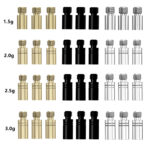
- Weight and Balance: Shafts typically weigh 1-5 grams. Heavier shafts provide more momentum; lighter shafts offer more control and precision.
- Length: Options range from Short (30mm) to Extra-Long (48mm). Longer shafts reduce dart clustering but increase breakage risk from collisions.
- Aesthetic vs. Function: While colors matter for organization and confidence, prioritize material durability over appearance.
Installation Process
Professional Installation Steps:
- 1Remove any remnants of the previous shaft using an extractor tool
- 2Inspect the barrel’s thread for damage—if threads are stripped, the barrel may need replacement
- 3Align the new shaft’s thread with the barrel opening at a slight angle
- 4Insert with gentle, steady pressure—shafts should seat with minimal force required
- 5Verify the flight is aligned perpendicular to the dart’s body for proper aerodynamics
- 6Test the connection by light tugging—a secure shaft won’t wiggle or move
Pro Tip for Longevity: Apply a small amount of thread-locking tape (PTFE/plumber’s tape) to shaft threads. This prevents loosening during play and actually makes future removal easier by providing a consistent grip surface for extraction tools.
Wrong
✓ Correct
Placeholder: Step-by-step installation guide showing proper shaft insertion technique and common mistakes
Why Are My Dart Shafts Always Breaking? Solutions for Chronic Breakage
If you’re experiencing frequent breakage, the problem likely extends beyond simple bad luck. Consider these systematic factors:
Dartboard Assessment
Your dartboard’s bristle quality directly impacts shaft longevity. Check if your board has any of these warning signs:
- The board feels rock-hard or lacks proper cushioning when you push a dart point into it
- Visible compression rings around the dartboard’s surface indicating age and wear
- The board is more than 3-4 years old with regular use
- Previous dart holes are slow to close or don’t close at all
Solution: Professional tournament-grade boards (rated for 50,000+ throws) provide significantly better shock absorption. Budget boards often fail after 10,000 throws, resulting in a harder, more damaging playing surface.
Throwing Technique Evaluation
Video record your throws to identify potential technique issues:
- Excessive rotational force applied to darts during release
- Impact against other darts at odd angles causing collisions
- Inconsistent release points causing erratic flight paths and impact angles
- Aggressive follow-through with arm tension
Working with a coach or experienced players helps correct form, directly reducing breakage frequency and improving overall performance consistency.
Shaft Length Optimization
Many players unknowingly use shafts that are too long for their grip and throwing style. Longer shafts increase collision risk when darts cluster on the board. Experimenting with a half-size reduction often dramatically improves durability without affecting game feel.
“My dart shafts keep breaking what material should I use?” Analysis
If you’re asking this question repeatedly, your data suggests a systematic problem rather than random incidents. Consider:
- Moving to aluminum shafts with a professional barrel setup for guaranteed durability
- Reducing shaft length by one size category to minimize collision impact
- Investing in a premium competition dartboard with superior bristle density
- Video-analyzing your throw for technique issues affecting dart consistency
Placeholder: Diagnostic flowchart helping players identify the root cause of their chronic shaft breakage
Practical Solutions and Products
Dart Shaft Extractor Tool Options
Premium Extractors ($15-25)
Premium extractors feature calibrated grips for standard, intermediate, and specialty shaft sizes. High-quality materials ensure durability and reduce risk of barrel damage. Recommended for serious players and professionals who extract shafts frequently.
Budget Options ($5-10)
Budget-friendly extractors provide basic functionality but may risk barrel damage if used incorrectly. Best for occasional use or backup tools. Requires careful technique and lighter pressure application.
Cheap Replacement Kit for Broken Dart Shafts
Value Kits ($10-20)
Typical value kits include:
- 6-9 replacement shafts in various lengths (Short, Medium, Long)
- Extraction tool matched perfectly to the included shafts
- Storage carrying case for organization and portability
- Comprehensive installation and removal guide
These kits offer excellent value for players who frequently replace shafts, as the per-shaft cost drops significantly compared to individual purchases.
Professional-Grade Recommendations
Aluminum Shafts by Target or Winmau
Industry-standard durability and performance. Available in multiple weights and lengths. Professional tournament specification. Expected lifespan: 1-3 years with regular use.
Premium Nylon Upgrades
Higher-quality nylon blends maintain flexibility longer than budget alternatives. Superior resin formulation resists brittleness. Recommended for intermediate players seeking durability without full upgrade cost.
⚙️ Digital Shaft Puller
Modern designs with ratchet mechanisms for maximum control and barrel protection. Ideal for players with multiple premium barrels worth protecting. Price range: $25-40.
Prevention Strategies for Long-Term Durability
Storage and Environmental Control
- Temperature: Store darts in a cool, dry location maintaining 50-70°F (10-21°C) optimal range
- Sun Exposure: Avoid leaving darts in direct sunlight, which degrades plastic materials quickly
- Humidity: Maintain 30-50% humidity to prevent brittleness in plastic shafts and corrosion in metal components
- Transport: Use protective dart cases during transport to prevent unnecessary impacts
Regular Maintenance Schedule
- Weekly Inspection: Check shafts for micro-cracks or stress lines indicating early failure
- Monthly Cleaning: Clean barrel threads to ensure secure connections and smooth removal
- Flight Replacement: Replace flights immediately when damaged to prevent compensatory stress on shafts
- Quarterly Board Check: Assess dartboard condition—replace when surface hardens noticeably
Playing Habits for Longevity
- Avoid “stabbing” the board aggressively with excessive force
- Aim for slight upward angle rather than flat or downward trajectories
- Practice spacing throws to minimize dart-on-dart collisions
- Build muscle memory for consistent release point and velocity control
Upgrade Path Strategy
Rather than repeatedly replacing broken nylon shafts, consider investing once in aluminum alternatives. The initial $30-40 cost is quickly offset by eliminating replacement expenses and downtime frustration. Most players recoup the investment within 3-6 months of eliminated breakage-related interruptions.
Month 1
Month 3
Month 6
Breakage Reduction Timeline
Placeholder: Timeline chart showing cost savings and breakage reduction when upgrading from nylon to aluminum shafts
When to Replace Your Barrel vs. Just the Shaft
You should replace your entire dart (or at least the barrel) when:
- Thread Damage: The barrel threads are visibly stripped or deformed—new shafts won’t seat properly and will spin freely
- Crack Propagation: Repeated breakage in the same location suggests barrel structural failure requiring replacement
- Weight Inconsistency: The barrel’s aerodynamic properties have changed due to impact damage affecting flight trajectory
- Corrosion or Pitting: Metal barrels showing oxidation or surface degradation compromising material integrity
If threads are intact and the barrel body is undamaged, shaft replacement alone is the complete solution. This saves significant money compared to replacing entire darts unnecessarily.
Frequently Asked Questions
❓ How often should dart shafts be replaced?
Casual players typically need replacement every 3-6 months; frequent players every 1-2 months; professional players using aluminum shafts may go years without replacement. The frequency depends heavily on your material choice, throwing style, and how often you play.
❓ Can I repair a broken dart shaft?
No—the structural integrity of a broken shaft is permanently compromised. Replacement is necessary for both safety and performance consistency. Attempting to repair or glue a broken shaft will result in unreliable flight characteristics and potential failure during play.
❓ Are expensive shafts worth the investment?
For frequent players, absolutely. The per-throw cost of aluminum shafts is significantly lower than constantly replacing nylon alternatives. You’ll also experience fewer game interruptions and better overall consistency in competitive play.
❓ How do I know if my barrel threads are damaged?
Signs of thread damage include: shafts spinning freely without gripping, shafts won’t tighten properly, or feeling loose during play. Damage often appears as stripped ridges visible under magnification. If you notice these signs, the barrel likely needs replacement rather than just the shaft.
❓ What’s the best dart shaft for beginners?
Premium nylon or polycarbonate options balance affordability with adequate durability for learning. As your skills develop and you establish a consistent throwing technique, aluminum becomes the logical upgrade for serious improvement and competitive participation.
❓ Why are dart shafts so expensive compared to flights?
Quality shafts require precision manufacturing, durable materials, and thread engineering to safely connect to barrels. Aluminum shafts involve specialized metallurgy and quality control. While they cost more than flights, they last significantly longer and contribute directly to game performance.
❓ Should I use PTFE tape on all my darts?
PTFE thread-locking tape is optional but recommended for serious players. It prevents loosening during play and actually makes future removal easier by providing consistent grip surface for extraction tools. Use sparingly—too much tape can make removal difficult.
Key Takeaways
Summary of Essential Points
What to do when your dart shaft breaks:
- Use a proper extractor tool to safely remove remnants without damaging the barrel
- Replace with appropriate material matching your skill level and play frequency
- Consider upgrading to aluminum for permanent durability improvement
Prevention is more cost-effective than constant replacement. By understanding breakage causes and implementing appropriate solutions, you’ll spend less money and experience better consistency in your game performance.
For chronic breakage issues: Evaluate your dartboard, throwing technique, shaft length, and shaft material as an integrated system rather than isolated variables. Professional guidance and investment in quality equipment typically solve recurring problems permanently.
Related Resources and Further Reading
- Dart Flight Replacement Guide: Learn when and how to replace damaged flights
- Throwing Technique Improvement: Professional coaching tips for consistent, controlled throws
- Dartboard Maintenance: Complete guide to extending your dartboard’s lifespan
- Equipment Setup Guide: Choosing the perfect dart configuration for your style
- Tournament Preparation: Professional equipment standards and regulations