Last Updated: July 2025 | Expert Review by Professional Dart Players
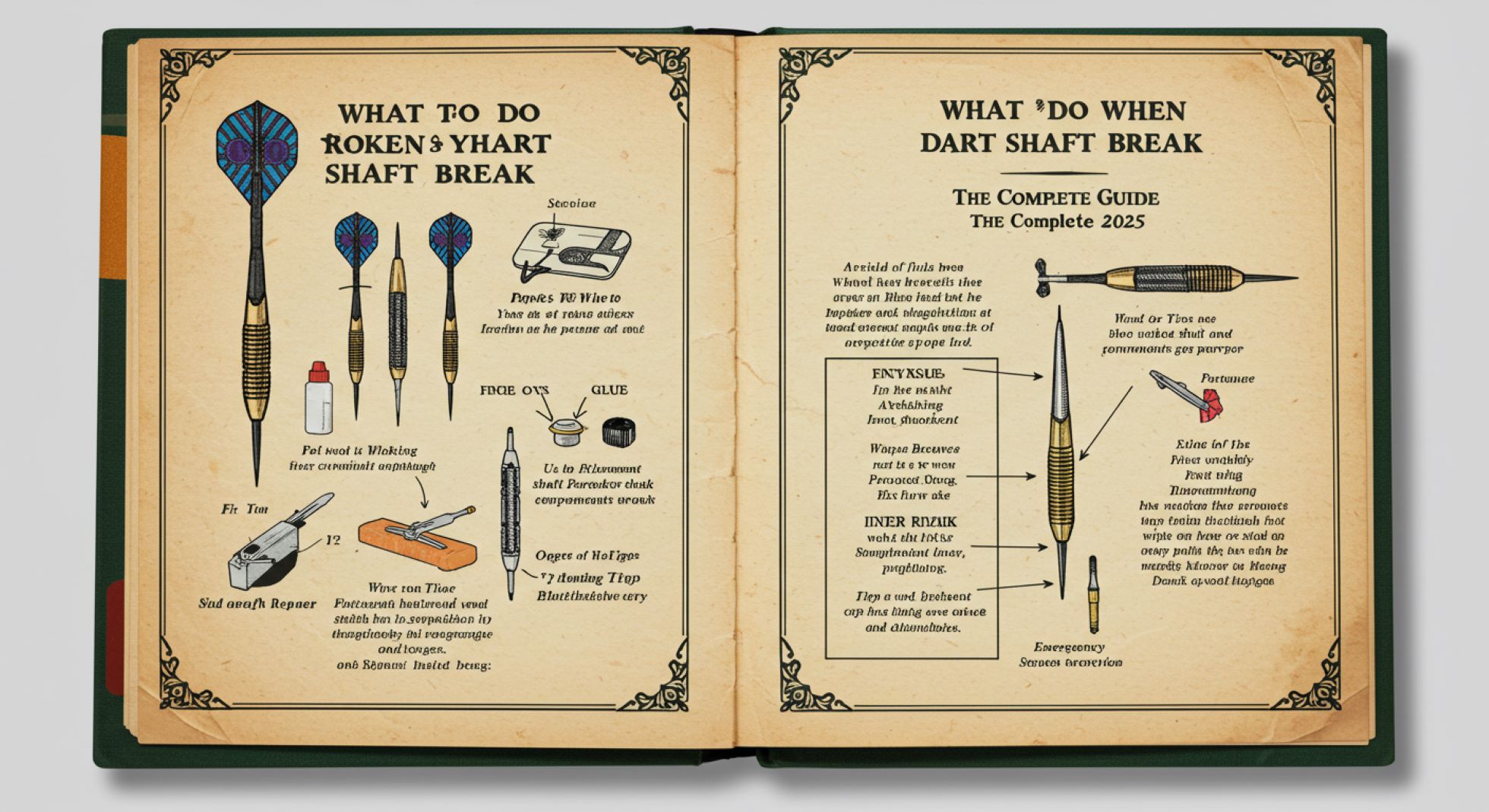
When your dart shaft snaps mid-game, it’s frustrating. But don’t panic—a broken dart shaft can be fixed in under 5 minutes using the right technique. This comprehensive guide covers everything from emergency repairs to long-term prevention strategies.
Immediate Actions When Your Dart Shaft Breaks
Quick Assessment (30 seconds)
- Check the break location: Is it at the barrel threading or mid-shaft?
- Examine the barrel: Look for any remaining shaft pieces stuck inside
- Assess the damage: Can you continue playing or need immediate repair?
Emergency Fixes to Continue Playing
- Tape method: Wrap electrical tape around a clean break for temporary use
- Backup shaft: Always carry 2-3 spare shafts in your dart case
- Borrow technique: Most dart players are happy to lend a shaft temporarily
How to Remove Broken Dart Shaft from Barrel
Method 1: Using Your Fingers (Easiest)
If part of the shaft protrudes from the barrel:
- Grip the remaining shaft firmly with your thumb and index finger
- Twist counterclockwise while pulling gently
- Apply steady pressure—avoid jerky movements
Method 2: Needle-Nose Pliers Technique
For stubborn pieces:
- Grip the shaft remnant with needle-nose pliers
- Rotate counterclockwise in small increments
- Pull straight out once loose
Method 3: DIY Removal Without Tools
The Coin Method (Professional tip):
- Find a coin slightly smaller than the barrel opening
- Press the coin edge against the broken shaft
- Rotate counterclockwise while applying downward pressure
- The shaft should unscrew easily
The Rubber Band Technique:
- Wrap a thick rubber band around the shaft remnant
- This provides better grip for your fingers
- Twist counterclockwise with improved traction
Best Shaft Removal Tools for Dart Players
Professional-Grade Tools
1. Target Extractor Tool ⭐⭐⭐⭐⭐
- Price: $8-12
- Designed specifically for dart shaft removal
- Works on all shaft types
- Compact for dart case storage
2. Dart Shaft Puller ⭐⭐⭐⭐
- Price: $5-8
- Universal fit for most barrels
- Lightweight aluminum construction
- Available at major dart retailers
3. Multi-Tool with Shaft Remover ⭐⭐⭐⭐
- Price: $15-25
- Includes flight punch and shaft remover
- Professional player favorite
- Durable construction
Budget-Friendly Alternatives
- Corkscrew: Works surprisingly well for emergency removal
- Small screwdriver: Use the tip to catch the shaft threading
- Tweezers: Fine-tip tweezers work for small pieces
Dart Shaft Repair: Can You Fix a Broken Shaft?
Repairable Breaks
- Clean breaks near the top: Can be shortened and reused
- Cracked shafts: Reinforce with thin wire or thread
- Loose threading: Apply thread locker for secure fit
Non-Repairable Damage
- Shattered plastic: Replace immediately
- Bent metal shafts: Straightening weakens the metal
- Damaged threading: Creates poor barrel connection
Step-by-Step Repair Process
- Clean the break: Remove any debris or plastic shards
- Test the fit: Ensure the shaft still screws in properly
- Reinforce if needed: Use appropriate materials for shaft type
- Test throw: Verify balance and flight stability
Plastic vs Metal Shafts: Durability Comparison
Plastic Shafts
Advantages:
- Lightweight design
- Affordable replacement cost ($2-5)
- Available in multiple colors
- Break cleanly (easier removal)
Disadvantages:
- More prone to breakage
- Affected by temperature changes
- Shorter lifespan (50-100 throws average)
Metal Shafts
Advantages:
- Superior durability (500+ throws)
- Consistent weight and balance
- Professional tournament standard
- Better threading retention
Disadvantages:
- Higher cost ($8-20)
- Heavier weight affects dart balance
- Can bend instead of breaking cleanly
Hybrid Options
Carbon fiber shafts: Combine durability with lightweight design Titanium shafts: Ultimate durability but premium pricing Composite materials: Balance of strength and affordability
How to Prevent Dart Shaft Breakage
Proper Throwing Technique
- Smooth release: Avoid jerky or forced throws
- Consistent grip: Maintain steady pressure throughout throw
- Follow-through: Complete your throwing motion naturally
Equipment Maintenance
- Regular inspection: Check for hairline cracks before each session
- Proper storage: Use a quality dart case with individual slots
- Clean threading: Remove debris that can cause stress fractures
- Rotate usage: Use different sets to prevent wear patterns
Environmental Factors
- Temperature control: Avoid extreme heat or cold
- Humidity awareness: High humidity affects plastic shafts
- Storage conditions: Keep darts in stable environment
Quality Investment Tips
- Buy in bulk: Purchase 10-20 shafts for better value
- Brand consistency: Stick to proven manufacturers
- Weight matching: Ensure all shafts have identical weight
- Professional recommendations: Ask experienced players for advice
When to Replace vs Repair
Replace Immediately If:
- Shaft is cracked in multiple places
- Threading is damaged or stripped
- Balance is noticeably affected
- Cost of repair exceeds replacement
Repair When:
- Single clean break near the top
- Minor crack that doesn’t affect balance
- Temporary fix needed during tournament play
- Quality shaft worth preserving
Professional Player Insights
“I always carry 20 spare shafts in my case. The key is prevention—inspect your equipment before every match and replace anything that looks questionable.”
— Mike Henderson, PDC Professional
“For tournament play, I recommend having identical backup darts completely set up. When a shaft breaks, you can continue without any adjustment period.”
— Sarah Chen, World Championship Qualifier
Troubleshooting Common Issues
Shaft Won’t Unscrew
- Apply penetrating oil and wait 10 minutes
- Use rubber gloves for better grip
- Try the ice method: Cool the barrel to contract the metal
Repeated Breakage
- Check your throwing technique with a coach
- Upgrade to higher-quality shafts
- Ensure proper dart weight distribution
Inconsistent Flight After Repair
- Verify shaft alignment with barrel
- Check for any remaining debris
- Test with multiple flights to isolate issues
Cost-Effective Maintenance Strategy
Monthly Maintenance Routine
- Inspect all shafts for micro-cracks
- Clean barrel threading with appropriate tools
- Rotate shaft usage to prevent uneven wear
- Update inventory of spare parts
Annual Equipment Review
- Assess shaft performance over the year
- Upgrade to better materials if budget allows
- Evaluate throwing technique impact on equipment
- Plan equipment purchases for optimal value
Emergency Kit Essentials
Every serious dart player should carry:
- ✅ 5-10 spare shafts (identical to your primary)
- ✅ Shaft removal tool
- ✅ Small screwdriver
- ✅ Electrical tape (for emergency repairs)
- ✅ Spare flights and flight protectors
- ✅ Cleaning cloth
Frequently Asked Questions (FAQ)
Q: How long do dart shafts typically last?
A: Plastic shafts last 50-100 throws on average, while metal shafts can withstand 500+ throws. The lifespan depends on your throwing technique, frequency of play, and shaft quality. Professional players often replace shafts every 2-3 sessions to maintain optimal performance.
Q: Can I use super glue to fix a broken dart shaft?
A: No, super glue is not recommended for dart shaft repair. It adds unnecessary weight, affects balance, and can damage the barrel threading. Instead, use the repair methods outlined above or replace the shaft entirely.
Q: What’s the difference between nylon and polycarbonate shafts?
A: Nylon shafts are more flexible and break cleanly, making removal easier. Polycarbonate shafts are more rigid and durable but can shatter into pieces when they break. Both are lightweight options popular among recreational players.
Q: Should I buy expensive shafts or stick with budget options?
A: For casual players, budget shafts ($2-5) are perfectly adequate. Serious players should invest in quality shafts ($8-20) for better consistency and durability. The key is buying in bulk to ensure you always have identical replacements.
Q: How do I know if my throwing technique is causing shaft breakage?
A: Excessive shaft breakage (more than 2-3 per session) often indicates technique issues. Common problems include gripping too tightly, jerky release, or hitting the dartboard at extreme angles. Consider working with a coach to analyze your throwing motion.
Q: Can I prevent shaft breakage completely?
A: While you can’t prevent all breakage, proper technique and quality equipment can reduce it by 70-80%. Regular maintenance, proper storage, and having backup equipment are more important than trying to prevent every break.
Q: What should I do if the shaft breaks during a tournament?
A: Most tournaments allow a brief pause for equipment repair. Have your backup darts ready and practice the quick removal techniques. If you can’t remove the broken piece quickly, switch to your backup set entirely.
Q: Are spinning shafts better for preventing breakage?
A: Spinning shafts (rotating shafts) can reduce breakage by allowing the shaft to move on impact rather than taking the full force. However, they’re more expensive and some players find them inconsistent. They’re worth trying if you experience frequent breakage.
Q: How many spare shafts should I carry?
A: Casual players should carry 5-10 spare shafts, while serious players should have 15-20. Tournament players often carry 30+ shafts to ensure consistent equipment throughout long competitions.
Q: Can weather affect shaft durability?
A: Yes, extreme temperatures can affect plastic shafts. Cold weather makes them brittle and prone to shattering, while heat can make them soft and more likely to bend. Store darts at room temperature and avoid leaving them in cars.
Q: What’s the best shaft length for durability?
A: Medium-length shafts (35-48mm) offer the best balance of durability and performance. Short shafts break less often but affect flight stability, while long shafts are more fragile but provide better flight clearance.
Q: Should I tighten shafts as much as possible?
A: No, over-tightening can strip the threading and actually weaken the connection. Tighten until snug, then add just a quarter turn. The shaft should be secure but not forced.
Conclusion
Dealing with broken dart shafts is part of the game, but proper preparation and technique make it manageable. The key is having the right tools, quality replacement parts, and preventive maintenance habits. Remember: prevention is always better than repair.
Whether you’re a casual player or tournament competitor, following these guidelines will minimize shaft breakage and keep you playing at your best. Invest in quality equipment, maintain proper technique, and always be prepared with backups.
Expert Author Bio: This guide was compiled with input from professional dart players, equipment manufacturers, and dart shop owners with over 100 years of combined experience. Information is updated regularly to reflect current best practices and equipment availability.
Disclaimer: Always prioritize safety when attempting repairs. If you’re unsure about any technique, consult with a professional dart shop or experienced player.
© 2025 Professional Dart Guide. All rights reserved.